What is Traditional Asian Medicine?
Traditional Asian Medicine
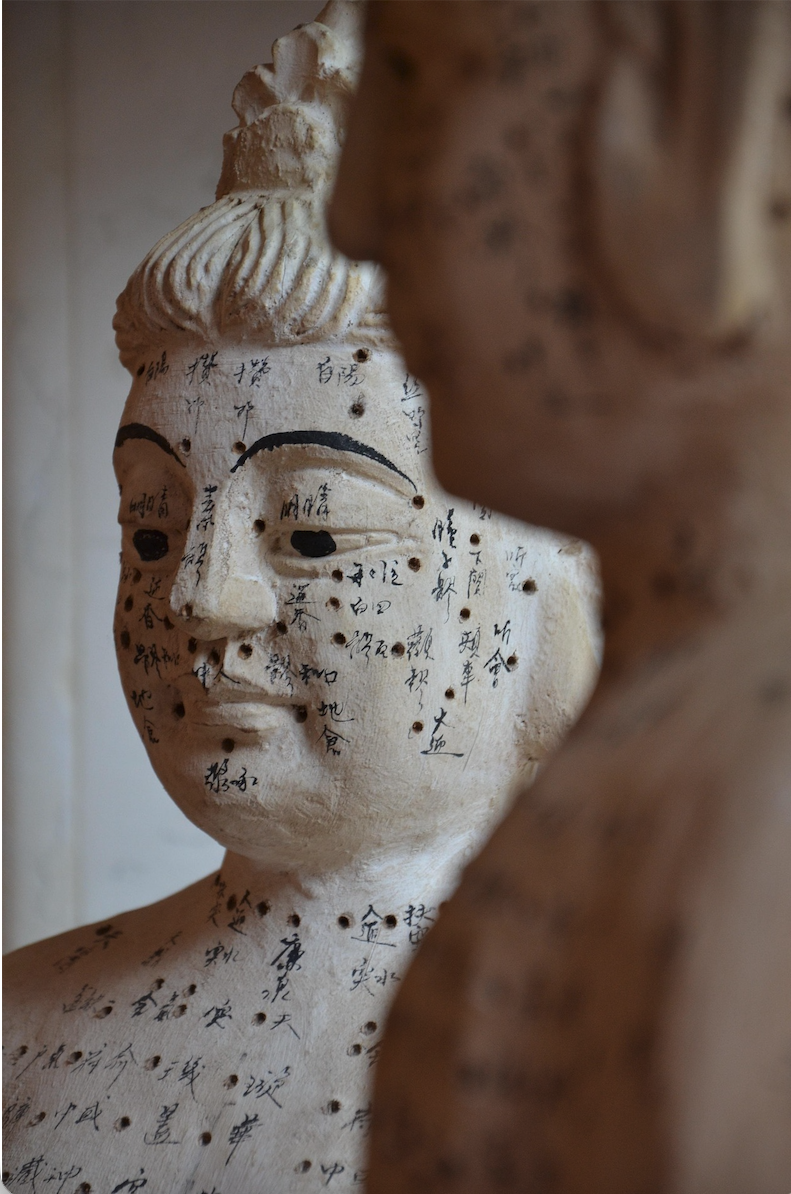
Practiced for thousands of years in Asia, the main modalities are Acupuncture and Botanical Medicine. Main Concepts-
Qi: the electromagnetic life force or energy that signals the body’s functions, while illness is viewed as a stagnation or disruption of this flow. And Blood, which is thought to be all substances in the body tissues, not just the flow within our arteries.
The traditional saying it “The Blood feeds the Qi, and the Qi moves the Blood”. These are the key to restoring the bodies balanced movement and nutrient components. These energies ans substances are present in pathways or channels in the body called “Meridians”. Unblocking these restore balance and health.
After all… this medicine has been around for thousands of years up to the present in Asia; and for the last 50+ years in the West.
Important in Traditional Asian Medicine also are the 5 elements & the corresponding 5 internal Yin organs and associated 5 emotions to harmonize the body/mind. It is a simple yet elegant approach.
An example involving the 5 elements and 5 Internal organs… the liver, when out of balance leads to anger and upset; the spleen is associated with sadness when not functioning well. A very useful link open access link is provided by the Yo San University in Los Angeles,.
Providing access to many research journals for the traditional Asian medicine in respect to disease conditions.as well as Conventional ( Allopathic ) medicine resources .

Traditional Asian Medicine vs. Western Medicine
Western medicine uses science and technology to diagnose and treat specific diseases. It relies on clinical trials, pharmaceuticals, and surgery. Eastern medicine, like Traditional Chinese Medicine and Ayurveda, takes a holistic approach. It focuses on prevention, lifestyle, and restoring the body's energy balance using methods like acupuncture and herbal remedies.
Traditional Asian Medicine focuses on prevention and balance, Western medicine excels at diagnostics. Using our search capabilities, we can access the most up to date research - PubMed®https://pubmed.ncbi.nlm.nih.gov/ and (NCCIH) provide evidence-based studies.
NCBI Bookshelf https://www.ncbi.nlm.nih.gov/books/NBK532287/
These sites contain thousands of peer-reviewed studies for many specific diseases or conditions.